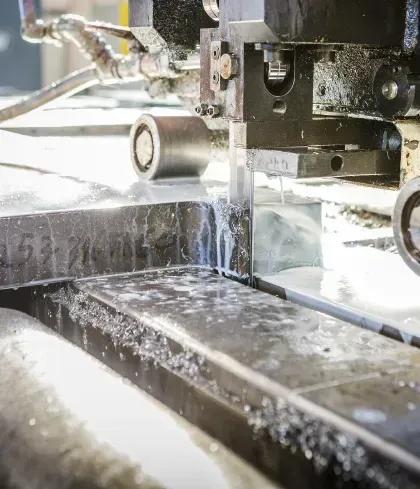
NeoNickel is a renowned group of companies, specialising in supplying specialist alloys to a diverse range of markets across Europe. With decades of experience, we pride ourselves on our extensive inventory, state-of-the-art processing capabilities, and unparalleled technical expertise.
We’re dedicated to providing the highest quality, heat-resistant, and corrosion-resistant metal alloys, tailored to meet the rigorous demands of your applications.
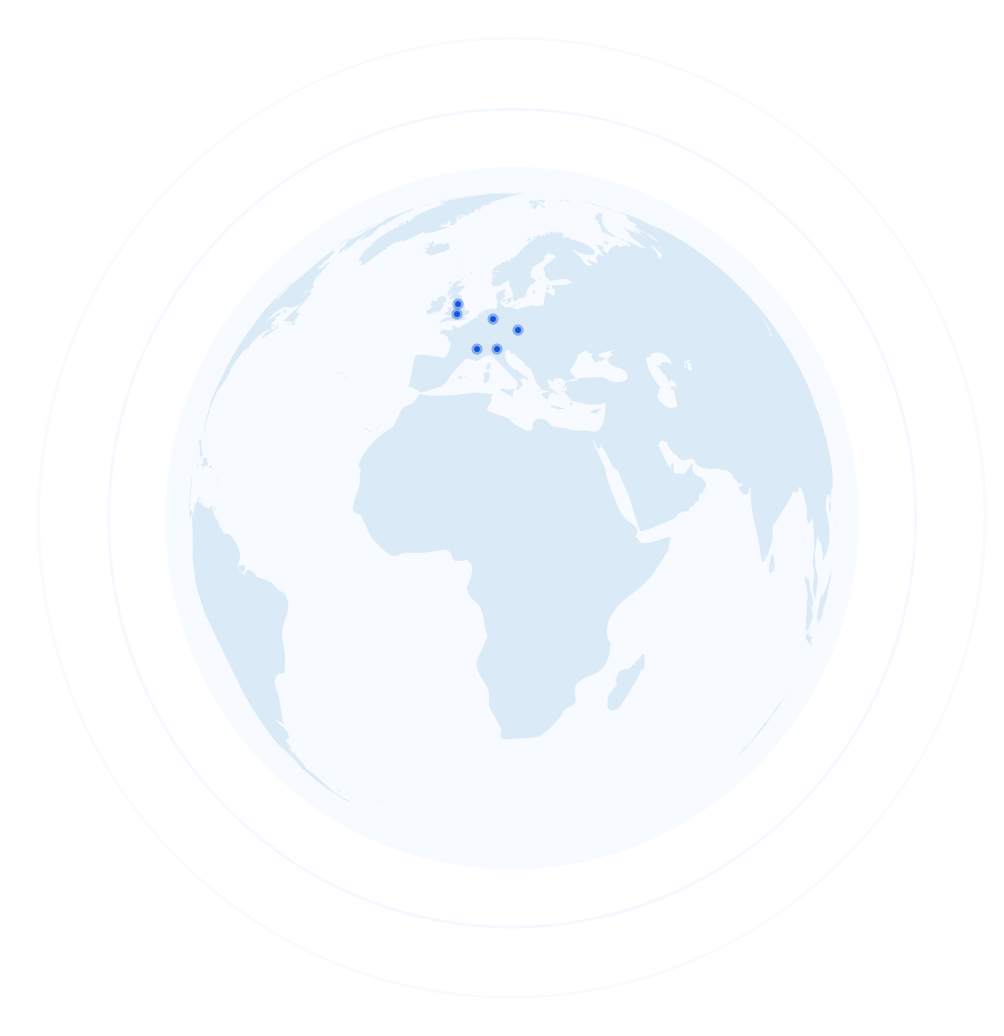
Spanning 5 countries, our expansive presence across Europe ensures that high-quality alloys are never far away. Each NeoNickel location is a hub of innovation and service excellence, ready to respond to your needs with speed and professionalism.
We have NeoNickel branches in Blackburn, Milton Keynes, Kingswinford, Dusseldorf, Hranice, Lyon, and Milan. For more information on the services we specialise in at each facility contact us today! Our experts are always on hand to offer professional advice and assistance.
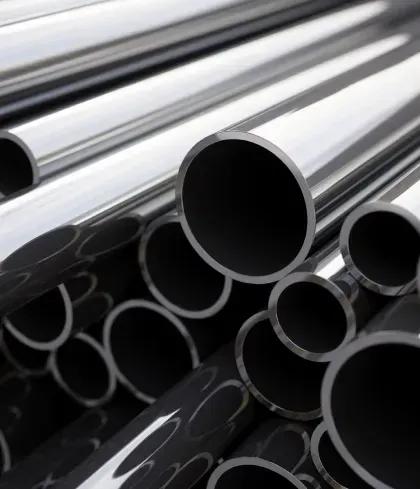
Explore our extensive collection of alloys, including cobalt alloys, super duplex stainless steels, nickel alloys, and more, available in various forms to suit your specific requirements. Whether you're searching for round bar, flanges, or custom sheets and plates, our inventory is meticulously curated to support your needs.
At NeoNickel, we're proud to supply specialist alloys to a variety of demanding markets, each with unique requirements. Our portfolio serves industries including:
Our commitment to innovation and quality ensures we meet the diverse needs of these sectors with precision and reliability.
Embark on your next project with NeoNickel by your side! For detailed product information, service enquiries, or expert advice, our team is readily available to assist you. Submit an online enquiry, or reach out to your closest branch to ensure your alloy needs are met with the utmost quality and service.
Discover the best high-performance alloys for pressure vessels in chemical processing, ensuring safe [...] Read more
We're proud to announce our ambitious decarbonisation targets: a 55% reduction in Scope 1 and Scope [...] Read more
Congratulations to Sergio Corazza, our incredible General Manager in Milan (left in image), for comp [...] Read more


 Proud members of the British Valve & Actuator Association